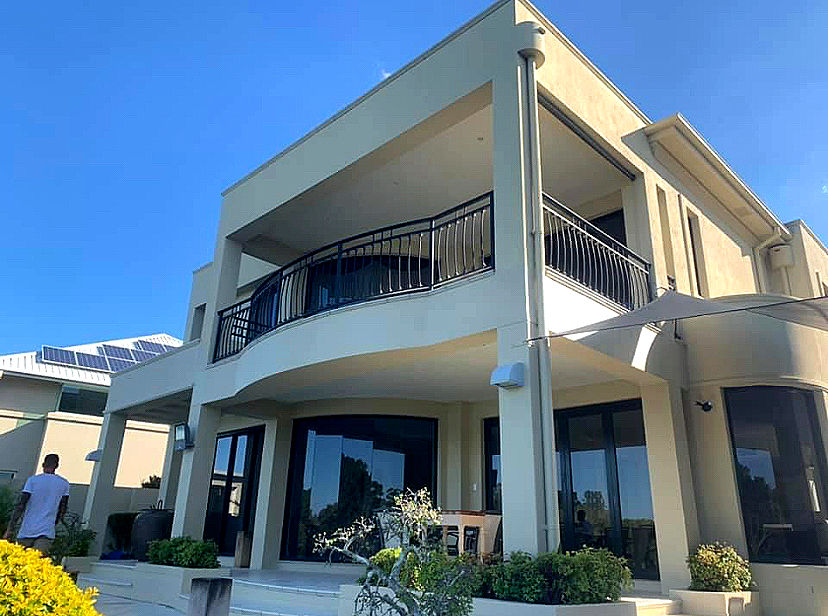
When Is It Time to Repaint Your Gold Coast Home?
Interior and Exterior Signs to Look For
Paint rarely fails overnight. It fades a little each summer, picks up a few more scuffs each year, and then one day you notice your home looks tired.
The good news is that your home tells you when it needs attention. Once you know the signs your home needs painting, you can act early and protect your surfaces. It also helps you avoid a bigger repair bill later.
In this guide, you'll learn the most common exterior and interior warning signs. You'll also see which ones point to something deeper than old paint and how often Gold Coast homes typically need a refresh. Most importantly, you'll know when it's time to call in a professional.

The Short Answer: When to Repaint a House
It's time to repaint your house when the paint is no longer protecting or presenting your surfaces well.
The common signs are fading, chalky residue, peeling or blistering, worn timber coatings, cracked render, recurring mould, scuffed walls and moisture-stained ceilings.
On the Gold Coast, strong UV, salt air and humidity mean exteriors often need repainting sooner than inland homes. Some signs, such as blistering, recurring mould and widening cracks, can point to moisture or structural issues. These should be inspected before you paint.
Exterior Signs Your Home Needs Painting
Your exterior takes the full force of our sun, salt and summer storms. These are the signs to look for on your next walk around the house.
Fading Colour
Patchy or washed-out colour usually shows up first on north and west-facing walls. That's UV breaking down the paint at the surface. Faded paint is often losing its protective strength as well as its good looks.
Chalky or Powdery Surfaces
Run your hand across the wall. If a fine white powder comes off on your fingers, the paint film is breaking down. Chalky surfaces need proper preparation before repainting so the new coat can grip.
Peeling or Blistering Paint
Paint that bubbles, lifts or flakes is a clear warning sign. It often means moisture has got underneath, the paint has lost adhesion, or the surface wasn't prepared properly last time. It's worth finding out which one before you paint.
Deteriorating Timber Coatings
Look closely at fascias, window frames, decks, doors and weatherboards. Cracking, flaking or greying finishes leave bare timber exposed to rain and sun. Left too long, timber can soften and rot.
Cracked Render
Fine hairline cracks are common and can often be filled and painted. Larger, widening or stepped cracks are different. They may signal building movement that needs assessing first.
Recurring Mould and Mildew
Dark speckles or green patches often appear under eaves, on shaded walls and near gardens. If mould keeps coming back after cleaning, there may be an ongoing moisture source. Common causes include blocked gutters, poor drainage or limited airflow.
Bottom line: if your exterior shows two or more of these signs, it's time to talk to experienced
exterior house painters on the Gold Coast. You can learn more about our approach to exterior painting, including how we prepare homes for coastal conditions.

Interior Signs Your Home Needs Painting
Inside, paint wears differently. It deals with daily life rather than salt and storms.
Faded or Dated Colour
Rooms that get strong afternoon sun can fade unevenly over time. You might notice a lighter patch where a picture or mirror once hung. Colours that felt fresh ten years ago can also simply start to feel dated.
Scuffed or Marked Walls
Hallways, stairwells, kids' rooms and doorframes take a beating. If scrubbing marks only leaves shiny patches or wears the paint away, washing won't fix it. A repaint will.
Ceilings and Surfaces Stained by Moisture
Yellow or brown rings on a ceiling are often a sign of a past or present leak. Steam from cooking and showers can also stain kitchen and bathroom ceilings. Any water stain is worth investigating before it's painted over.
Peeling Paint in Wet Areas
Bathrooms and laundries often show peeling around showers, windows and ceilings. This usually comes down to humidity and poor ventilation. Fixing airflow, such as a working exhaust fan, helps the new paint last.
Interior Mould
Black spots in corners, behind furniture or on bathroom ceilings mean moisture is lingering. Mould must be properly treated before repainting. Painting over it only hides the problem for a while.
Bottom line: a fresh interior makes your home feel brighter, cleaner and more you. Our interior painting service covers walls, ceilings, trims and doors, finished with care. That's why so many families trust us as their interior painters on the Gold Coast.
Spotted a few of these signs? Request your fixed price quote and we'll tell you honestly what your home needs.
How Does the Gold Coast Climate Affect Exterior Painting?
Our climate is part of why we love living here. It's also why coastal house painting on the Gold Coast needs a little more care.
The weather affects two things: how quickly your existing paint wears, and how a repaint needs to be planned.

UV Exposure
Gold Coast sunshine is intense nearly all year round. UV breaks down the binders in paint, which causes colours to fade and surfaces to turn chalky. North and west-facing walls usually show wear first.
Quality exterior paints with strong UV resistance help colours stay richer for longer.
Salt Air
Homes in suburbs like Main Beach, Mermaid Beach, Palm Beach and Burleigh Heads face constant salt in the air. Salt settles on surfaces, attracts moisture and can corrode metal fixings.

That's why coastal homes need proper washing and preparation before painting. Paint applied over salt residue won't bond the way it should.
Humidity and Rain
Humidity and heavy summer downpours mean surfaces can hold moisture longer than you'd think. Exterior coatings need surfaces to be sufficiently dry, and conditions need to be suitable, before paint goes on.
Painting over damp timber or render can lead to blistering and peeling down the track.
Mould and Mildew
Warmth plus moisture is an open invitation to mould, especially on shaded walls, under eaves and near trees. Mould must be properly treated before repainting. Painting over it simply traps the problem underneath, where it can keep growing.
Weather Timing
A professional painter keeps a close eye on the forecast. They'll consider rain, temperature, wind and morning dew, and they'll follow each product's instructions for drying and recoating times.
Sometimes that means pausing a day to wait out a storm. It's a small delay that protects the quality of your finish.
Key takeaway: UV, salt, humidity and mould all shape how Gold Coast exterior painters prepare and schedule a job. Experience with local conditions makes a real difference.
Paint Age or Something Deeper?
Here's the catch. Not every sign means your paint is simply old.
Fading and chalking are usually just age and UV. Mould, cracking and blistering can point to moisture or structural problems behind the surface.
SIGN | LIKELY CAUSE | WHAT IT USUALLY NEEDS |
Fading colour | UV exposure, age | Preparation and repaint |
Chalky surface | Paint breaking down from UV | Thorough cleaning, sanding and repaint |
Scuffed walls | Everyday wear | Repaint with a durable, washable finish |
Peeling or blistering | Moisture, poor adhesion or past prep | Find the cause, then prepare and repaint |
Worn timber coatings | Sun and rain exposure | Sanding, repairs, priming and repaint |
Cracked render | Minor shrinkage or building movement | Inspection first; larger cracks may need another trade |
Recurring mould | Ongoing moisture or poor airflow | Treat mould and fix the moisture source before painting |
Ceiling water stains | Leaks or condensation | Repair the leak, seal the stain, then repaint |
Painting alone won't fix a leak, rising damp, rotten timber or structural movement.
Those issues need to be resolved first, or the new paint will fail again. An experienced painter can help you work out what's going on and tell you when another trade is needed.
Practical tip: if several areas of your home are deteriorating, arrange an inspection now rather than later. Catching problems early keeps the repair scope smaller and the cost lower.

How Often Should You Repaint on the Gold Coast?
Every home is different, but these approximate ranges give you a helpful starting point for house repainting on the Gold Coast:
Interiors: every 5–10 years, with high-traffic areas sooner
Beachfront or near-beach exteriors: every 4–6 years
Exteriors a few streets back from the beach: every 5–8 years
Inland Gold Coast exteriors: every 7–10 years
Paint quality, preparation, surface type and which way your walls face all shift these numbers. Use them as a guide, then let the signs above tell you the real story.
Check out our blog post Why Gold Coast Homes Need Painting More Often Than Inland Homes
Your 5-Minute Repaint Check
You don't need special tools. Just a little time and a careful eye.
Walk around the outside and look at sun-facing walls for fading and chalking
Check eaves, fascias and window frames for flaking or bare timber
Look for cracks in render, especially ones that are widening
Scan shaded walls, bathrooms and ceilings for mould or stains
Check hallways and doorframes for marks that won't wash off
Take photos so you can track changes over time
Quick win: do this check once a year, ideally before storm season. It's an easy habit that protects one of your biggest investments.
When to Repaint a House: FAQs
How do I know if my house needs repainting?
Look for fading, chalky residue, peeling or blistering paint, worn timber finishes, cracked render, recurring mould, scuffed interior walls and stained ceilings. Two or more of these usually mean it's time.
How often should a Gold Coast house be repainted?
Interiors typically need repainting every 5–10 years. Exteriors range from about 4–6 years near the beach to 7–10 years inland, depending on paint quality and preparation.
Can I paint over mould?
No. Mould must be properly treated first, and any ongoing moisture source should be fixed. Painting over mould traps it underneath, where it can keep growing.
Will painting fix cracked render or water stains?
Not on its own. Hairline cracks can often be filled and painted. Larger cracks and water stains may point to movement or leaks that need repairing first.
Should I repaint the interior and exterior at the same time?
Not necessarily. Many homeowners stagger the work to spread the cost. An inspection can help you decide which area needs attention first.
Have more questions about quotes, preparation or timeframes? Visit our Quality Pro Painting FAQs.
Gold Coast Kitchen After Repainting Gold Coast Kitchen Before Repainting Gold Coast Kitchen After Repainting
Keep Your Home Looking and Feeling Its Best
Fading and chalking tell you your paint is ageing. Peeling, cracking, stains and recurring mould deserve a closer look before any brush touches the wall. Spot the signs early and you'll protect your home, save money and enjoy a fresher space sooner.
That's where we come in. With nearly 30 years of experience, Kurt and our family-run team know how Gold Coast homes wear inside and out. We'll walk your property and give you honest advice.
You'll get a fixed price quote with no surprises.
Fully insured. Satisfaction guaranteed. Trusted by Gold Coast homeowners, with 5-star reviews and work featured on Love It or List It.
Contact Quality Pro Painting Gold Coast today for your fixed price quote and give your home the fresh, lasting finish it deserves.
Like to know more? Check out these helpful links Roof Painting